
A home that looks flawless on the surface can still hide expensive problems that surface the moment a buyer’s inspector starts poking around. These hidden issues do not just cost money to fix, they can spook buyers, kill negotiations, and quietly shrink your final sale price. The good news is that most of these problems are predictable and preventable if you know where to look before you list. This article walks through the most common buried home problems sellers overlook and how to get ahead of them.
Aging Roofing Systems and Hidden Leaks
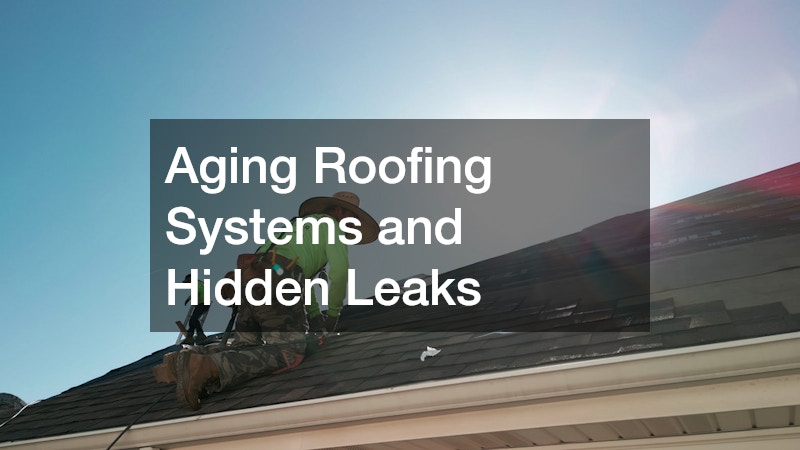
Roofing issues are one of the fastest ways to lose leverage in a home sale because buyers see them as a big-ticket expense they should not have to pay for. Most asphalt shingle roofs are only rated to last 20 to 25 years, and if yours is nearing that mark, buyers and their lenders will scrutinize it closely.
Even a roof that looks fine from the ground can have cracked flashing, worn underlayment, or granule loss that only becomes obvious during a professional roof inspection. Small problems like a missing shingle or a slow leak around a chimney can quietly cause water damage to decking, insulation, and ceiling drywall long before any stains appear inside the home.
Waiting until a buyer’s inspector finds the damage puts you in a weak negotiating position, since you will likely be asked for a credit or a price reduction that costs more than a proactive fix. Inspectors often flag roofing issues as a top concern, and that report can spook buyers into renegotiating or walking away entirely, even for repairs that would only cost a few hundred dollars.
Getting ahead of this means scheduling your own roof inspection before listing, budgeting for minor repairs like resealing flashing or replacing worn shingles, and keeping documentation of any recent work. A clean inspection report or a recent repair receipt can be a powerful selling point, reassuring buyers that they won’t be inheriting a hidden expense.
Getting ahead of the problem means understanding your roof’s age and condition well before you list. Asphalt shingle roofs typically last 20 to 25 years, while architectural shingles, metal, and tile can stretch closer to 30 to 50 years — so pull your home records or ask the original installer if you’re unsure where your roof falls in that lifespan.
If your roof is nearing the end of its expected life, a full roof replacement before listing can actually pay for itself by removing the single biggest objection buyers raise. Many homes with visibly aging roofs get flagged during inspection, giving buyers leverage to demand a price reduction or a credit that often exceeds what the replacement would have cost you upfront.
It’s also worth having a roofer check for hidden leaks, not just surface wear. Water stains in the attic, soft spots in the decking, or missing granules in the gutters can signal damage that isn’t obvious from the curb but will show up on an inspection report and spook buyers regardless of your roof’s age.
- Check for curling, cracked, or missing shingles from the ground with binoculars, and note dark streaks or sagging spots along the roofline
- Look for daylight or water stains in the attic, paying close attention to areas around chimneys, vents, and skylights where leaks often start
- Check gutters and downspouts for granules from worn shingles, a sign the roof is nearing the end of its 20-25 year lifespan
- Ask a roofer for a written report you can share with buyers, including estimated remaining life and any repair costs
- Get at least two roofing quotes so you can compare pricing before committing to repairs or a full replacement
- Consider timing a replacement for spring or summer to attract better pricing, since contractors are often slower and more negotiable outside peak storm season
Termite Damage and Wood-Destroying Insects
Termites and other wood-destroying insects can chew through structural framing for years without any visible sign on painted walls or finished floors. By the time bubbling paint, sagging floors, or hollow-sounding wood shows up, the damage is often already significant. A termite inspection performed before listing gives you a chance to treat the problem and document the repair, rather than letting a buyer’s lender-required inspection surface it as a surprise during escrow.
Lenders frequently require pest clearance before closing, so an untreated infestation can delay or derail a sale entirely. Sellers who address this early avoid the scramble of last-minute treatments and re-inspections that eat into closing timelines.
- Look for mud tubes along foundation walls or crawl spaces
- Tap on wood trim to check for a hollow sound
- Keep any old termite treatment or warranty paperwork for buyers
- Address moisture problems near the foundation, since damp wood attracts termites
Private Well Water Quality and Flow Rate

Homes on private wells face a layer of scrutiny that municipal water customers never deal with. Buyers and their lenders often want proof that the water is safe and that the well can produce adequate flow, which means a well inspection is nearly always part of the deal once an offer is accepted. If your well has not been tested in years, bacteria, nitrates, or mineral buildup could show up in results and trigger unexpected treatment costs right before closing.
A well inspection typically checks water quality, pump function, and flow rate under sustained use, not just a quick taste test. Getting this done proactively lets you fix a weak pump or contamination issue on your own timeline instead of the buyer’s.
- Test for bacteria, nitrates, and pH balance
- Confirm the well can sustain flow during a multi-hour draw-down test
- Check the age and condition of the pressure tank and pump
- Keep well permit and depth records handy for buyers
Septic Tank and Drain Field Condition
A failing septic system is one of the most expensive surprises a buyer can uncover, and it is also one of the easiest to hide unintentionally simply by not knowing there is a problem. Slow drains, soggy patches in the yard, or sewage odor near the tank are all warning signs that something below the surface needs attention. Scheduling septic inspections before listing gives you documented proof of the system’s condition, which reassures buyers and removes a major point of renegotiation.
Septic problems are rarely quick or cheap to fix, so catching them early gives you time to plan rather than react. A tank that needs pumping is a minor cost, but a failed drain field can run into the thousands, so knowing which situation you are in changes your entire selling strategy.
- Watch for unusually green or wet patches over the drain field
- Have the tank pumped and inspected if it has not been serviced in three years
- Keep pumping records and system diagrams for the buyer’s file
- Avoid heavy landscaping or paving over the drain field before selling
Whole House Evaluations Before Listing

Beyond the specialized systems, a general walk-through by a qualified professional can catch issues that fall outside any single trade. Scheduling a local home inspection before you list, sometimes called a pre-listing inspection, gives you a buyer’s-eye view of your property while you still have time to act on the findings. This is different from waiting for the buyer’s own inspector, because you control the timeline and the choice of who does the repairs.
A pre-listing report also becomes a selling tool. Buyers feel more confident making a strong offer when they see documented proof that a home has already been vetted, which can reduce back-and-forth negotiation later in the process.
- Ask for a report covering electrical, plumbing, HVAC, and structural basics
- Use findings to prioritize which repairs matter most before listing
- Share the report with your listing agent to set realistic pricing
- Keep receipts for any repairs made as a result of the findings
Rodent and Insect Infestations in Attics and Walls
Beyond termites, general pest activity can quietly damage insulation, wiring, and wood framing while staying hidden inside walls and attics. Rodent droppings, chewed wiring, or nesting material are common finds during a pest control inspection, and buyers often view any pest history as a red flag even after treatment. Addressing an infestation early, along with sealing entry points, prevents a small nuisance from becoming a negotiation sticking point.
Pest issues also tie into insurance and financing in some cases, since certain infestations can affect a home’s insurability. Clearing this up before listing protects both your sale price and your ability to close smoothly.
- Check attics and crawl spaces for droppings or nesting debris
- Seal gaps around utility lines, vents, and foundation cracks
- Remove wood piles or debris close to exterior walls
- Keep documentation of any treatment for buyer transparency
Chimney and Fireplace Structural Integrity

A chimney that looks fine from the street can have cracked flue liners, deteriorating mortar joints, or blocked flues that pose real safety risks. These issues often go unnoticed because homeowners rarely climb onto the roof or look closely at the firebox interior. A chimney inspection can reveal creosote buildup, structural cracks, or water intrusion that a buyer’s inspector will almost certainly flag if you do not catch it first.
Chimney repairs are relatively affordable compared to other structural fixes, which makes this an easy win for sellers looking to avoid last-minute price negotiations. Fixing a chimney issue before listing also removes a common excuse buyers use to ask for a lower offer.
- Check for white staining, called efflorescence, on exterior chimney brick
- Look for rust on the damper or firebox as a sign of moisture intrusion
- Have the flue cleaned if the home has been used for regular fires
- Get cracked or spalling bricks repointed before listing
Water Heater Age and Performance Issues
Water heaters have a limited lifespan, and buyers or their inspectors will often check the manufacture date printed on the unit’s label. A unit nearing ten to twelve years old raises a flag even if it is still functioning, because buyers know replacement is coming soon and may ask for a credit. Handling water heater replacement proactively removes this objection and signals that the home has been well maintained overall.
Beyond age, signs like rusty water, inconsistent temperature, or pooling near the base of the tank suggest a unit is failing and should not wait until closing to address. A new unit is a relatively small investment compared to the negotiating leverage it can cost you if a buyer’s inspector flags it as a concern.
- Check the manufacture date on the unit’s rating plate
- Flush the tank annually to extend its working life
- Look for rust-colored water or unusual noises during heating cycles
- Keep receipts if you replace the unit before listing
Exterior Door Seals and Frame Deterioration
Doors take a beating from weather, daily use, and settling frames, and the damage is not always obvious until someone examines the seals, hinges, and thresholds closely. Warped frames, gaps that let in drafts, or doors that no longer latch properly are the kind of small details that make buyers wonder what else has been neglected. In some cases, door replacement is more practical than repair, especially for exterior doors with water damage or broken weatherstripping that affects energy efficiency.
Since doors are highly visible and used constantly during showings, a sticking or damaged door creates an immediate, tangible impression that can undercut buyer confidence. Replacing an old, drafty door is a relatively low-cost upgrade that pays off in both curb appeal and energy efficiency claims.
- Test that all exterior doors open, close, and latch smoothly
- Check weatherstripping and thresholds for wear or gaps
- Look for water staining or soft spots at the bottom of door frames
- Repaint or refinish doors showing significant wear before showings
Buried problems rarely stay buried once a buyer’s inspection process begins, and the cost of discovery is almost always higher than the cost of prevention. By addressing roofing, pest, water, septic, and mechanical systems ahead of time, you keep control of the narrative and protect your negotiating position. Start by scheduling the inspections most relevant to your home’s age and systems, then tackle repairs in order of cost and urgency. A little diligence now can mean the difference between a smooth closing and a sale price that takes an unexpected hit.