Your home’s exterior creates an impression long before anyone steps through the front door. A healthy lawn, comfortable gathering spaces, secure boundaries, and a well-maintained pool can make a property more inviting while improving how you use it every day. These features also shape what prospective buyers notice, although the return on any particular project depends on local demand, the condition of the property, and the cost of the work.
The most effective outdoor improvements begin with a practical question: What would make this property easier to enjoy and maintain? Sometimes restoring a patchy lawn or repairing a deteriorating gate makes a greater difference than installing another feature. In other cases, a carefully planned patio or pool renovation can solve several problems at once.
Before committing to a project, look at your yard as a connected space. Consider how people move from the house to the lawn, where water collects, which areas receive shade, and what requires frequent upkeep. Establish a budget that includes preparation, materials, installation, and ongoing maintenance. The following eight areas offer a framework for choosing outdoor upgrades that support comfort, curb appeal, and long-term property value without assuming every homeowner needs every feature.
Start With a Cohesive Outdoor Improvement Plan
An inviting outdoor space doesn’t need to look elaborate, but its individual elements should work together. A winding path that ends at an unusable corner, a fence that blocks a favorite view, or a patio that drains toward the foundation can undermine otherwise attractive improvements. Begin by identifying how each part of your property functions now and how you’d like to use it in the future.
Walk the yard at different times of day. Note sunny areas that might suit seating, shaded spots that may be better for low-maintenance planting, and routes people naturally take between doors, driveways, and outdoor amenities. Pay attention to uneven ground, exposed roots, damaged surfaces, and places where standing water creates problems after rain.
Next, choose a consistent visual direction. Repeating a small range of materials or colors across walkways, edging, gates, and gathering areas can give the property a more intentional appearance. Contrast can add interest, provided changes in height, texture, and layout remain practical and accessible.
Check local requirements before construction, especially for fences, pools, grading, and structures. Property lines, utility locations, drainage rules, and permit requirements can affect what is possible. Thoughtful planning helps protect your investment by reducing the chance that one upgrade will need to be torn out to accommodate another.
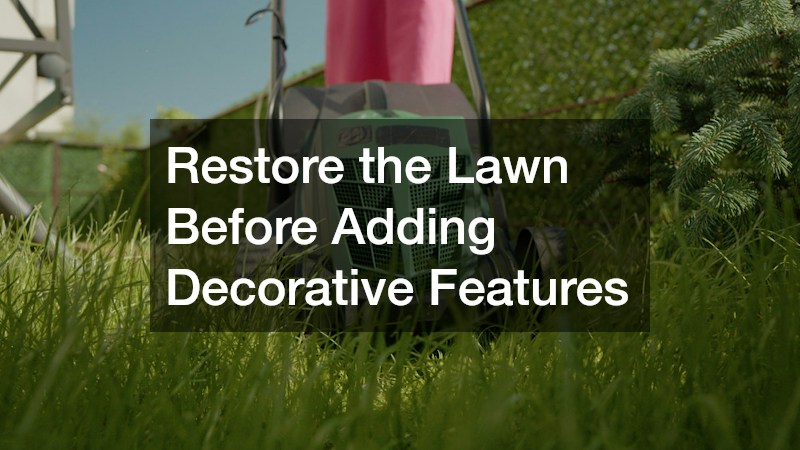
Restore the Lawn Before Adding Decorative Features
A lawn frames the house and connects separate outdoor areas, so its condition has an outsized effect on curb appeal. Bare patches, compacted soil, persistent weeds, and uneven growth can make an otherwise well-kept property appear neglected. Improving the underlying conditions is usually more productive than repeatedly covering problems with seed or fertilizer.
Start with a soil assessment and a review of sun exposure, traffic, and watering habits. Compacted areas may benefit from aeration, which creates openings that help air and water reach the soil. A lawn aeravation company can assess whether this treatment suits your turf and recommend timing based on local growing conditions. Confirm exactly which service a provider offers, since aeration methods and related treatments can vary.
For ongoing care, a local lawn care company can help develop a seasonal approach to mowing, fertilization, weed control, and irrigation. Cutting grass at an appropriate height, sharpening mower blades, and adjusting watering to actual conditions can support healthier growth while avoiding unnecessary waste.
Look beyond the grass itself. Crisp bed edges, healthy shrubs, and open sightlines to the front entrance can make the yard feel organized. A lawn that fits the site is easier to maintain and creates a useful foundation for future improvements.
Add Hardscapes That Make Outdoor Areas More Useful
Outdoor improvements become more valuable to daily life when they create places people can actually use. Patios, paths, steps, retaining walls, and other hardscapes can connect separate parts of the yard and turn awkward ground into practical space.
For example, a modest patio near the kitchen can make outdoor meals more convenient, while a walkway can provide a stable route from the driveway to a side entrance. Poorly planned walls and paved surfaces can redirect runoff toward neighboring properties or the house, creating expensive problems after installation.
Choose materials for the site’s climate, expected foot traffic, maintenance needs, and relationship to the home’s architecture. Pavers may allow individual pieces to be replaced, while poured surfaces have different installation and repair considerations. Surface texture matters around wet areas, where slip resistance should take priority over a polished appearance. Provide enough room for chairs to move comfortably, doors to open, and people to navigate without stepping into planting beds.
Before work begins, review how the new features will affect grading, buried utilities, tree roots, and existing drainage. Ask contractors to explain base preparation, water management, and maintenance requirements, not just the visible finish. A well-designed outdoor surface should feel like a natural extension of the home, with clear circulation and space for the activities your household enjoys.
Address Pest Problems to Protect Outdoor Comfort
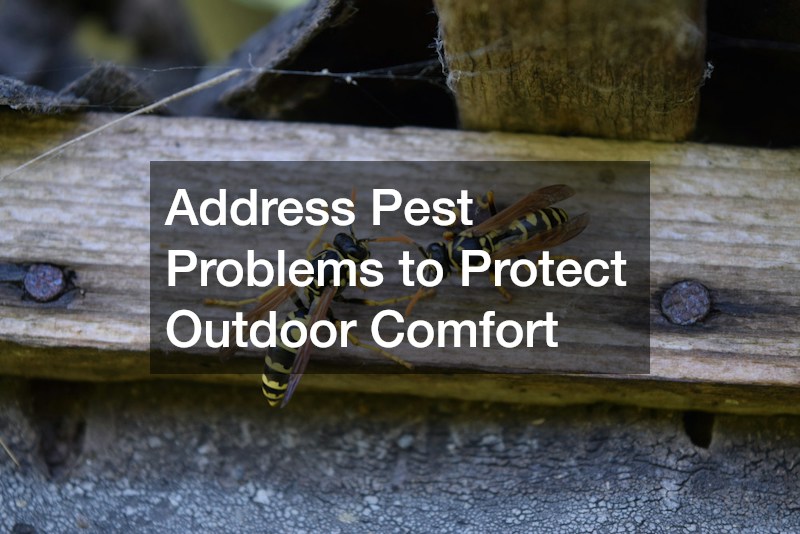
Even a beautifully landscaped yard can be difficult to enjoy when insects repeatedly interrupt meals or gatherings. Identifying the problem accurately helps avoid unnecessary treatments and supports a safer, more targeted plan.
Start by removing conditions that attract or support pests. Empty containers that hold standing water, clean up food waste after outdoor meals, and keep trash bins closed. Trim overgrown vegetation where appropriate, repair torn window or door screens, and address moisture problems near the house. These steps won’t eliminate every insect, but they can reduce opportunities for pests to thrive.
If an issue continues, insect removal companies can identify the species and explain treatment options. Ask how a proposed approach may affect children, pets, beneficial insects, and nearby water features. An integrated pest management strategy generally emphasizes inspection, prevention, monitoring, and targeted intervention rather than automatic treatment of the entire yard. Follow product labels and any instructions about when treated areas may be used again.
Plant selection can also make maintenance more manageable. Avoid promising a completely insect-free yard; outdoor ecosystems naturally contain insects, including pollinators. The more useful goal is to control specific problems so the garden, patio, and lawn remain comfortable and functional.
Update the Pool for Safety and Everyday Enjoyment
A swimming pool can be a focal point for recreation, but its condition matters more than its presence alone. Cracked surfaces, failing equipment, damaged decking, and unreliable circulation can make a pool difficult to maintain or use. Before considering decorative changes, assess whether the structure and operating systems need attention.
Homeowners planning a new pool can consult in ground pool contractors about placement, access, drainage, utility needs, and long-term upkeep. Ask about applicable barrier requirements, inspections, and permits early in the process; these details should never be left until the final stages of construction.
For an existing pool, swimming pool repair services can investigate leaks, malfunctioning pumps, damaged plumbing, and other operational concerns. If the interior finish is rough, stained, or deteriorating, pool refinishing services can explain suitable resurfacing options and what preparation each requires. The right choice depends on the pool’s construction, current condition, and maintenance expectations.
Evaluate the surrounding deck at the same time. Stable walking surfaces, appropriate drainage, usable lighting, and secure barriers are essential considerations. Materials should suit wet conditions and the local climate. Because pool preferences and maintenance costs differ among buyers, don’t assume that installing one guarantees a particular resale return. Focus on a safe, functional feature that complements the property and suits how you expect to use it.
Upgrade Fences and Gates for Privacy and Access
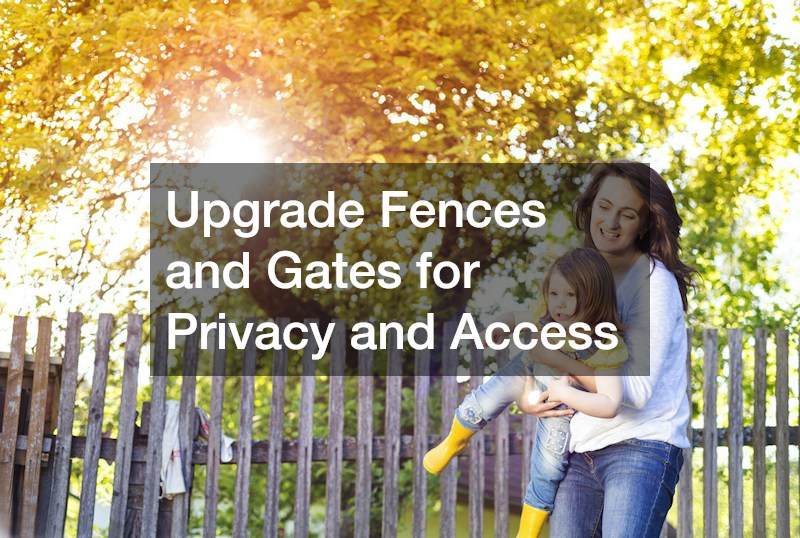
Fences and gates define outdoor rooms, guide movement, and influence how the front of a property looks from the street. They can also serve practical purposes, including privacy, pet containment, and controlled access. The right design depends on the property layout and local rules as much as personal style.
Begin with the job the boundary needs to perform. A low, open fence may mark a garden edge without blocking a view, while a taller design can screen a seating area. If you’re considering a wood fence company, discuss species, finishes, post installation, drainage at the base, and the maintenance required in your climate. Wood can complement planting and traditional architecture, but its appearance and longevity depend on careful construction and continued upkeep.
Entry points deserve equal attention. Well-proportioned custom gates can coordinate with fencing and provide room for pedestrians, equipment, or vehicles to pass. Check the swing path, latch placement, clearance, and ease of operation before choosing decorative details. For metal entries, iron gate services may include fabrication, repair, refinishing, or hardware work; ask a provider which services it actually performs and what corrosion protection is appropriate for the site.
Confirm the property boundary rather than guessing where a new fence belongs. Review neighborhood restrictions, permits, and any requirements related to pool enclosures. Gates should operate smoothly without creating pinch points or obstructing access. When the materials and dimensions relate to the house and surrounding landscape, a boundary can look intentional while solving everyday problems.
Improve Lighting, Drainage, and Outdoor Circulation
Some of the most useful upgrades are the ones visitors barely notice. Clear routes, dependable drainage, and appropriately placed lighting help people move through the property comfortably and reduce avoidable maintenance headaches. These improvements are especially important when several outdoor features, such as a patio, pool, and side gate, must function together.
Begin with circulation. Check whether paths are wide and stable enough for their intended use, whether steps are easy to see, and whether frequently used entrances remain accessible. Uneven pavers, loose gravel, and abrupt changes in level can create tripping hazards.
Next, observe the yard during or after rainfall. Water pooling against a foundation, washing soil from beds, or collecting on a walkway may indicate a grading or drainage issue. Solutions depend on the cause and could involve downspout adjustments, surface regrading, or appropriately designed drainage systems. Avoid simply redirecting water onto a neighbor’s land. For complicated conditions, seek a qualified professional who can evaluate the entire site.
Lighting should support specific activities. Illuminate stairs and transitions, help people identify entrances, and provide comfortable visibility near gathering areas. Avoid excessive brightness and fixtures that shine into neighboring windows. Weather-appropriate equipment, safe electrical installation, and thoughtful placement are more important than the number of lights. Together, these less glamorous improvements help the yard work reliably after sunset and during changing weather.
Maintain Each Upgrade to Preserve Its Benefits
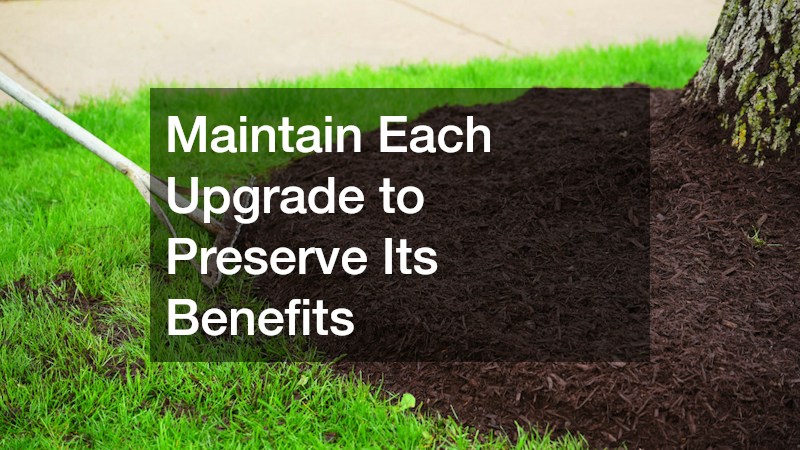
An outdoor project doesn’t end when installation crews leave. Lawns change with the seasons, wooden surfaces weather, pool equipment needs attention, and gates experience daily wear. A realistic maintenance plan helps preserve the appearance and functionality of improvements without turning the yard into a constant source of chores.
Create a simple schedule based on the materials and the manufacturer’s guidance. Inspect drainage after major storms, remove debris from paths, and look for shifting pavers or loose fence hardware. Check pool equipment and water conditions as recommended by qualified service providers. Keep vegetation from crowding gates, obscuring lights, or blocking access to equipment. Address small defects early, especially when they could create a safety issue or let water damage spread.
Documentation can make future decisions easier. Save permits, warranties, product details, contractor invoices, and instructions for specialty finishes. These records help you plan maintenance, explain past work to a future buyer, and identify the correct replacement parts. They also make it easier to distinguish normal wear from a problem that may require professional attention.
Finally, reassess the space as your household’s needs change. A play area might eventually become a garden, or a little-used corner could benefit from seating rather than more lawn. Prioritize improvements that fit the property and your actual routines, not every passing trend. When thoughtful design is paired with consistent care, outdoor upgrades can make your home more enjoyable now while presenting its features more clearly to potential buyers later.