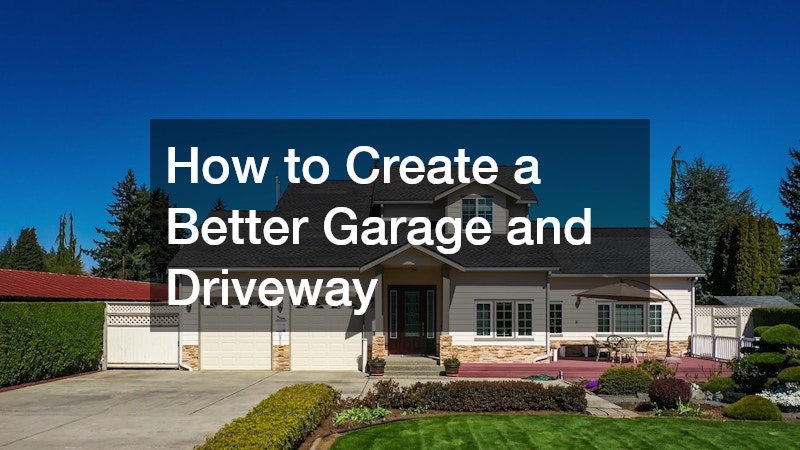
A Smarter Start for Your Property Upgrade
The areas where you park, store tools, enter the home, and move through daily routines play a bigger role in your property than many homeowners realize. When these spaces are well planned, they make everyday life easier. When they are worn down, cramped, poorly lit, or difficult to use, they can create frustration every time you come and go.
A better setup starts with looking at both function and appearance. You want spaces that are safe, durable, organized, and attractive from the street. That may mean improving the surface under your vehicle, adding better storage, upgrading access points, correcting water problems, or creating a more polished exterior. Some homeowners only need a few targeted updates, while others may benefit from a more complete renovation plan.
The key is to think beyond one isolated project. The best results often come from combining practical upgrades that support one another. A smooth parking area, reliable entry system, strong lighting, organized storage, and proper drainage can all work together to create a more useful and valuable property. With the right plan, you can improve daily convenience while also protecting your investment for years to come.
Evaluate Your Current Layout and Identify Problem Areas
Before starting any major improvement, take time to study how the space is currently used. Walk through your normal routine and look for small problems that happen repeatedly. Do you have enough room to open vehicle doors comfortably? Is it difficult to move trash bins, bikes, tools, or lawn equipment? Are there tight turns, uneven areas, or cluttered pathways that make the space harder to use than it should be?
It also helps to look at the condition of the surfaces, walls, doors, storage areas, and exterior approach. Cracks, stains, soft spots, standing water, and worn finishes can signal deeper issues. Inside, pay attention to how items are stored. If tools are stacked in corners or seasonal items are hard to reach, the layout may not be supporting your household’s needs.
Make a list of priorities before spending money. Safety-related issues should come first, followed by repairs that prevent damage, then upgrades that improve convenience and appearance. This order helps you avoid putting cosmetic improvements on top of problems that still need to be fixed. For example, resurfacing an area before correcting drainage can lead to premature wear.
Budget should also guide your plan. Not every project has to be completed at once. You may choose to handle urgent repairs first, then schedule larger upgrades in phases. A clear plan allows you to make smart decisions, compare estimates more accurately, and avoid paying twice for work that could have been coordinated from the beginning.
Upgrade Surfaces for Better Durability and Appearance
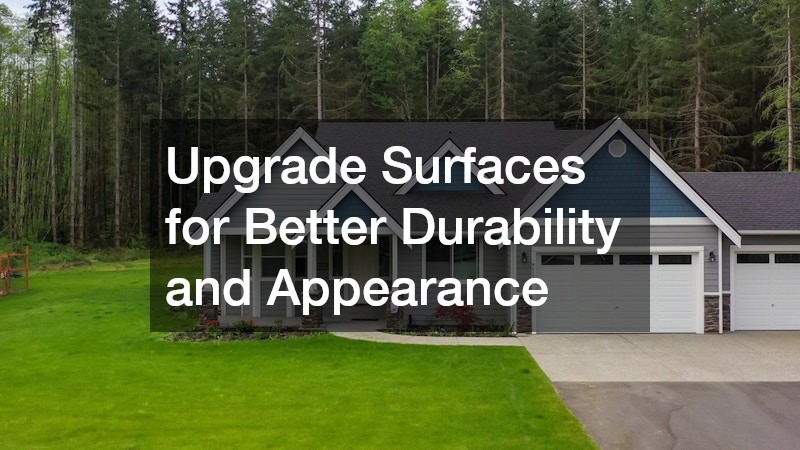
The surfaces in high-use areas take a lot of abuse from vehicles, foot traffic, moisture, dirt, chemicals, and changing weather. Over time, untreated or damaged surfaces can become stained, cracked, slippery, or uneven. Improving these surfaces is one of the most effective ways to make the property look cleaner while also improving long-term performance.
Inside the parking and storage area, garage floor coating can help protect concrete from stains, tire marks, moisture, and everyday wear. A quality finish can also make the space easier to clean, especially if you use it as a workshop, hobby area, or storage zone. Before applying any coating, the surface must be properly cleaned and prepared. Cracks, chips, and moisture issues should be addressed first so the finish bonds well and lasts longer.
Outside, driveway paving can create a smoother, more reliable surface for vehicles and foot traffic. A properly installed paved area improves curb appeal, reduces dust and mud, and can make snow or debris removal easier depending on the climate. The best material choice depends on your budget, property style, drainage needs, and expected use.
Preparation is just as important as the finished surface. Base stability, slope, soil condition, and weather timing all affect the final result. Rushing this step can lead to cracking, sinking, or water problems later. Homeowners should ask contractors how they prepare the base, what thickness they recommend, and what maintenance will be needed after installation.
Improve Accessibility and Daily Convenience
A home’s main vehicle entry point should work smoothly every day. When it becomes noisy, slow, unreliable, or difficult to operate, it affects both convenience and security. Modern garage door openers offer features that can make daily routines easier, including quieter operation, battery backup, remote access, and smart controls. These features are especially helpful for busy households, frequent travelers, or anyone who wants better control over entry points.
When choosing a new system, think about the size and weight of the door, noise level, safety features, and compatibility with smart home technology. A more powerful unit may be needed for heavier doors, while quieter belt-driven systems may be preferred when living spaces are nearby. Safety sensors and automatic reversal features should always be working properly.
Routine garage door service is also important. Springs, rollers, tracks, cables, and openers all experience wear. Small problems can quickly become major repairs if ignored. Warning signs include grinding noises, uneven movement, delayed response, sagging sections, or a door that reverses unexpectedly. Scheduling maintenance can help catch these issues early and reduce the risk of sudden failure.
Homeowners should avoid attempting complex repairs involving springs or cables, because these parts are under high tension. Basic maintenance, such as keeping tracks clear and testing sensors, can be handled by many homeowners, but mechanical repairs are best left to trained professionals. A reliable system improves safety, protects belongings, and makes everyday access much less stressful.
Add Functional Storage Without Sacrificing Space
Storage is one of the most common reasons this part of the home becomes cluttered. Tools, sports equipment, holiday decorations, cleaning supplies, gardening items, and outdoor gear often end up wherever there is open floor space. Over time, this makes the area harder to use and can even create safety hazards.
A cabinet company can help design storage that fits the available space and supports the way your household actually uses it. Built-in cabinets, wall-mounted units, tall storage lockers, and workbench combinations can all help keep items organized while freeing up floor space. The goal is not simply to add more storage, but to create storage that is easy to access and maintain.
Start by sorting items into categories. Frequently used items should be placed at an easy height, while seasonal or rarely used items can go higher up. Hazardous materials, sharp tools, and chemicals should be stored securely, especially if children or pets are in the home. Clear zones can help separate automotive supplies, yard tools, sports gear, and household overflow.
Material selection matters too. Storage systems in this area may face temperature changes, dust, moisture, and heavy use. Durable finishes, strong hardware, and easy-to-clean surfaces will perform better over time. Good storage also improves appearance. When items have a designated place, the entire area feels larger, cleaner, and more functional.
Design a Structure That Meets Future Needs

Some homeowners eventually outgrow their existing setup. A single vehicle bay may no longer be enough, storage may be limited, or there may be a need for a workshop, hobby zone, or additional covered parking. When the existing structure does not support your lifestyle, it may be time to consider a larger design change.
Professional garage builders can help evaluate what type of structure makes sense for the property. Important factors include available land, local building codes, vehicle size, storage needs, roofline, access, and how the structure will connect visually with the home. A well-designed structure should feel like a natural extension of the property rather than an afterthought.
Think carefully about size. It is easy to underestimate how much space is needed for vehicles, doors, walking room, shelving, tools, and future equipment. A slightly larger footprint may provide much better long-term usability. Ceiling height is another important detail, especially if you plan to add overhead storage, a lift, or larger vehicles.
Attached and detached options each have advantages. Attached structures offer convenient access to the home, while detached structures can provide more flexibility for workshops, noise control, or property layout. Planning for electrical capacity, insulation, ventilation, and lighting from the beginning can prevent costly changes later. The best design should meet today’s needs while allowing room for tomorrow’s changes.
Enhance Safety and Visibility Throughout the Property
Lighting has a major effect on how safe and usable the space feels. Dark corners, shadowed walkways, and poorly lit work areas can increase the risk of trips, falls, and accidents. Good lighting installation improves visibility for parking, entering the home, completing projects, and moving around after dark.
Start by identifying the areas that need the most attention. Exterior pathways, entry points, stairs, workbenches, storage walls, and parking zones should all be easy to see. Layered lighting works best. Overhead fixtures can provide general brightness, while task lights help with detailed work. Exterior motion lights can improve security and make nighttime arrivals easier.
Any major upgrade should also account for electrical service. Older systems may not be designed to support modern lighting, power tools, charging stations, smart devices, or additional outlets. Before adding multiple new fixtures or high-demand equipment, it is wise to have the system evaluated. This helps reduce the risk of overloaded circuits and unsafe wiring.
Consider energy efficiency and controls as well. LED fixtures last longer and use less energy than older lighting types. Motion sensors, timers, and smart switches can improve convenience while reducing waste. When lighting and power are planned correctly, the space becomes safer, more versatile, and easier to use throughout the day and night.
Address Drainage Issues Before They Cause Damage
Water is one of the biggest threats to exterior surfaces and nearby structures. Poor runoff can cause erosion, cracks, settling, pooling, and moisture intrusion. If water consistently collects near the home or across paved areas, it should be addressed before investing in cosmetic upgrades.
Driveway grading services can help correct slope problems so water moves away from important structures and traffic areas. Proper grading supports the lifespan of paved surfaces and helps prevent soft spots or washouts. Even a surface that looks solid can fail early if water is trapped beneath it or directed toward the wrong area.
Homeowners should watch for warning signs after rain. Standing water, mud buildup, sunken sections, exposed edges, and water flowing toward the foundation can all point to drainage problems. In colder climates, pooling water may also freeze and create slippery conditions or expand existing cracks.
Solutions may include reshaping the surface, improving the base, adding drainage channels, installing swales, or redirecting downspouts. The right approach depends on the property’s slope, soil, rainfall patterns, and existing hardscape. Drainage may not be the most exciting upgrade, but it is one of the most important. Correcting water movement protects other improvements and helps prevent expensive repairs.
Choose the Right Professionals for Long-Term Results

The quality of your project depends heavily on the people doing the work. Even good materials can fail if they are installed poorly. Choosing the right professionals helps ensure that improvements are safe, durable, and completed according to local requirements.
When hiring a paving company, look beyond the lowest estimate. Ask about experience, licensing, insurance, project timelines, preparation methods, materials, and warranties. A reputable contractor should be willing to explain the process clearly and answer detailed questions. Vague answers or pressure to make a fast decision can be warning signs.
Ask to see examples of completed projects that are similar to yours. Reviews and referrals can also provide insight into reliability, communication, cleanup, and long-term performance. It is helpful to compare multiple written estimates, but make sure each estimate includes the same scope of work. One proposal may appear cheaper simply because it leaves out important preparation or finishing steps.
Contracts should clearly explain materials, thickness, timeline, payment schedule, warranty details, and cleanup responsibilities. Homeowners should also confirm whether permits are needed. A strong contractor relationship can make the entire process smoother and reduce the likelihood of misunderstandings. Good professionals do more than complete a task; they help protect the value and performance of your investment.
Bringing the Whole Project Together
Creating a better setup for parking, storage, access, and exterior use is about more than one improvement. It requires a thoughtful look at how the space functions, how it looks, and how well it will hold up over time. The most successful projects balance durability, safety, convenience, and curb appeal.
Start with the issues that affect performance and protection first. Correct surface damage, drainage concerns, access problems, and safety hazards before focusing on finishing touches. From there, add upgrades that make everyday routines easier, such as better storage, improved lighting, reliable entry systems, and a more organized layout.
Every property is different, so the right plan should match your household’s needs, budget, and long-term goals. Some improvements may be simple, while others require professional planning and installation. When each decision supports the next, the finished result feels more complete and lasts longer.
With careful planning and the right team, these spaces can become cleaner, safer, more attractive, and much easier to use. A well-designed improvement plan not only supports daily life but can also strengthen the overall value and appearance of the home.