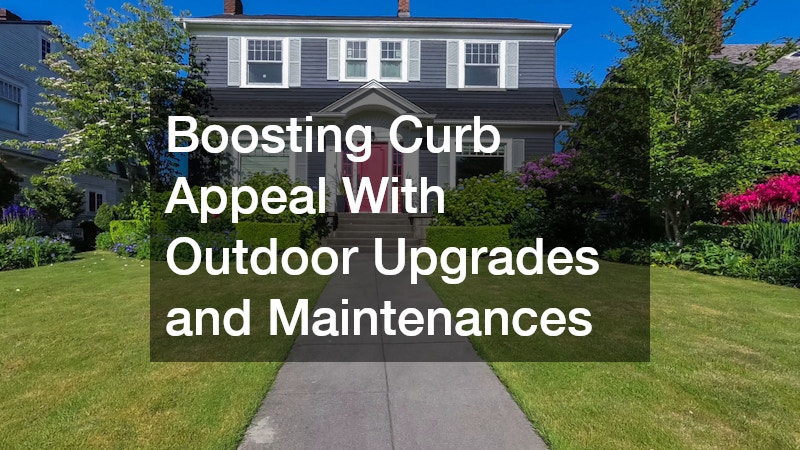
First impressions are formed in seconds. When someone approaches your home, their brain compiles a flurry of visual cues—the color of the front door, the crispness of the lawn, the health of the trees, and the condition of the driveway. In the world of real estate and modern homeownership, this immediate visual impact is known as curb appeal. However, a major shift is occurring in how we view our home exteriors. Today, the focus has moved away from stark, high-contrast aesthetics toward a philosophy of warm, organic living. Homeowners are embracing natural, biophilic designs, muted earth tones, and mixed textures that make a home feel like a restorative sanctuary.
Achieving this polished look requires a dual-pronged strategy. It is not enough to simply hang a stylish porch light or plant a few colorful annuals. True, lasting curb appeal is built on a foundation of proactive, structural maintenance combined with intentional, high-impact upgrades. When you invest in both the health and the beauty of your exterior, you do more than just increase your property value; you create a welcoming transition from the chaotic outside world into your private haven.
Cultivating a Vibrant, Climate-Resilient Foundation

A lush, healthy yard is the canvas upon which all other curb appeal elements are painted. A patchy, yellowing lawn or a weed-choked garden bed instantly detracts from even the most beautiful architecture. To build a truly resilient landscape, you must look beneath the surface and treat your soil and grass as a living ecosystem.
- Prioritize Soil Health: Healthy turf begins with the soil. Compacted ground prevents water, oxygen, and nutrients from reaching grass roots. Plan to aerate your lawn at least once a year, preferably in the fall for cool-season grasses or late spring for warm-season varieties. This process breaks up dense dirt and allows the roots to grow deep and strong.
- Transition to Smart Irrigation: Modern watering is all about efficiency. Traditional sprinklers often waste water through evaporation or poor aiming. Installing smart controllers that adjust watering schedules based on real-time local weather forecasts ensures your plants get exactly what they need without waterlogging the soil.
- Embrace Mulching: Applying a fresh, two-to-three-inch layer of organic mulch to your garden beds does triple duty. It suppresses weed growth, retains essential soil moisture, and provides a clean, dark visual contrast that makes your plantings pop. Opt for natural cedar or hardwood mulches rather than artificially dyed alternatives.
- Establish Crisp Garden Edging: Install deeply trenched metal, stone, or composite landscape edging between your lawn and garden beds. This creates a permanent, professional-looking border that stops turf grass from creeping into your flowers and simplifies your weekly weed-eating routine.
- Incorporate Native Perennials: Replace high-maintenance, water-guzzling annuals with climate-adapted native perennials. These plants require less chemical intervention, return reliably year after year, and anchor your home into the natural local geography.
To keep this ecosystem flourishing year-round, professional diagnostics can save you thousands in dead turf. Working with a qualified irrigation company ensures your system is properly zoned, winterized, and free of underground leaks that erode your topsoil. Additionally, dense vegetation and standing water can invite unwelcome guests. Implementing proactive pest control services prevents invasive insects and rodents from nesting in your garden beds and eventually making their way toward your home’s timber framing.
Pruning, Shaping, and Clearing for Safety and Visual Scale

Mature trees add immense value, character, and structure to your property. However, neglected trees can quickly become safety hazards and visual blockages, cloaking your home in gloomy shadows and hiding its best architectural features. Strategic tree maintenance is essential for letting light into your living spaces and showing off your home’s true proportions.
- Master the Art of Crown Raising: This pruning technique involves removing the lower branches of mature trees to elevate the bottom canopy. Raising the canopy opens up clear sightlines from the street to your front door, making your entire property feel larger, brighter, and more open.
- Maintain Safe Clearances: Trees should never touch your home. Ensure that branches are pruned back at least ten feet from your roofline and siding. This simple step prevents roof damage from scraping limbs, keeps squirrels and raccoons from jumping onto your house, and reduces the buildup of moss and algae on your shingles.
- Prune for Structural Integrity: Regularly inspect your trees for dead, diseased, or crossing branches. Removing these weak points improves air circulation through the canopy, allowing the tree to withstand heavy winds and winter storms without limbs snapping.
- Monitor Root Intrusion: Keep an eye on aggressive surface roots that creep toward walkways or your foundation. Proactively managing tree species and installing root barriers can prevent buckling sidewalks and costly underground structural repairs.
- Shape Overgrown Specimen Shrubs: Boxwoods, hollies, and yews can lose their form and swallow porch railings if left unchecked. Use hand pruners rather than electric shears for inner-branch cuts, which encourages healthy interior airflow and maintains a natural, manicured shape.
While homeowners can easily handle basic pruning of low-hanging shrubs, high-canopy work is incredibly dangerous. Hiring professional tree services is the safest way to trim massive limbs and manage the health of your oldest trees. If you have inherited a yard with old, cut-down eyesores, investing in professional stump grinding is vital. Leaving old stumps in place not only ruins the clean line of your lawn but also invites subterranean termites and fungal diseases that can spread to nearby healthy plantings.
Designing a Warm Welcome with Structural Longevity
The front entryway is the focal point of your home’s exterior. It is where guests pause, ring the bell, and form their closest impressions of your living space. Elevating this zone, along with any adjoining deck or porch areas, creates a powerful sense of hospitality.
- Upgrade Your Front Door: Your front door should be a confident design statement. Consider painting it a rich, nature-inspired accent color like deep olive green, warm terracotta, or a sophisticated charcoal gray. Upgrading the hardware to solid brass or matte black finishes adds immediate weight and quality.
- Layer Your Exterior Lighting: Ditch the harsh, blinding security floodlights in favor of a layered lighting design. Use low-voltage LED path lights to guide visitors safely to the door, place subtle uplights at the base of architectural columns, and install a warm, dimmable pendant light over the porch to create a soft, inviting glow at dusk.
- Incorporate Biophilic Planters: Flank your doorway with symmetrical, high-quality planters. Fill them using the “thriller, filler, spiller” design principle: a tall focal plant in the center (thriller), lush flowering plants surrounding it (filler), and trailing ivy or vines cascading over the edges (spiller).
- Display Modern House Numbers: Replace dated, faded address numbers with large, floating modern typography that matches your entry hardware. Position them in a well-lit area or beneath a dedicated downlight so your home is easily identifiable from the street.
- Create an Intimate Seating Nook: If space permits, place a pair of weather-resistant cedar or woven chairs on the front porch. This simple addition softens the facade, suggesting that the home is a place of leisure, community, and comfort.
For homes with elevated front porches or wrap-around decks, structural protection is just as important as aesthetics. Rainwater dripping through deck boards can rot the underlying frame and leave the space below muddy and unusable. Installing an under-deck ceiling paired with a dedicated deck drainage system channels water away from your foundation, keeping the lower area dry and clean. To complete this zone, ensure your entrance pathways are secure and beautiful. Addressing an old, squeaking, or misaligned entrance latch with specialized gate services ensures that walking onto your property feels seamless, safe, and premium.
Restoring Walkways, Driveways, and Property Lines

Hardscaping elements like driveways, walkways, and boundaries occupy a massive portion of your front visual field. Over time, concrete cracks, weeds sprout through seams, and borders sag, dragging down the overall appearance of your home. Restoring these crisp lines brings immediate order and structure to your landscape.
- Renew Concrete Surfaces: High-pressure washing is one of the most cost-effective ways to boost curb appeal. Removing years of built-up oil stains, dirt, and moss from your driveway and walkways instantly brightens the front of your property. Follow this up by sealing the concrete to prevent future staining and water intrusion.
- Define Path Boundaries: Give your walkways a deliberate, high-end look by adding stone or brick paver borders. This prevents grass from creeping onto the walking path and provides a clean, tailored edge that guides the eye toward the entrance.
- Modernize Your Property Enclosures: Your borders should frame your home beautifully, not look like a rundown barrier. If your property boundaries are looking weathered, clean them thoroughly and apply a fresh coat of weather-resistant stain or paint that complements the primary color of your home.
- Eliminate Joint Weeds: Scrape out any stubborn weeds growing through individual pavement seams or expansion joints. Fill those cleared gaps with polymeric sand, which hardens when misted with water and locks out future weed growth and ant hills.
- Install Low-Profile Driveway Lighting: Outline your driveway boundaries with solar or hardwired flush-mount puck lights. This enhances nighttime navigation for arriving guests and lends a high-end, resort-like feel to your property line at night.
When wear and tear go beyond surface-level dirt, structural repairs are required. If your driveway has sunken sections, deep cracks, or uneven slabs that pose a tripping hazard, utilizing a professional concrete paving service can level and resurface the area to create a smooth, modern path. For boundary lines that have suffered from rot or storm damage, partnering with a professional fencing company is the best way to install a durable, high-quality barrier that provides privacy while elevating the overall design of your estate.
Shielding Your Home’s Envelope with Fresh Color and Clean Lines
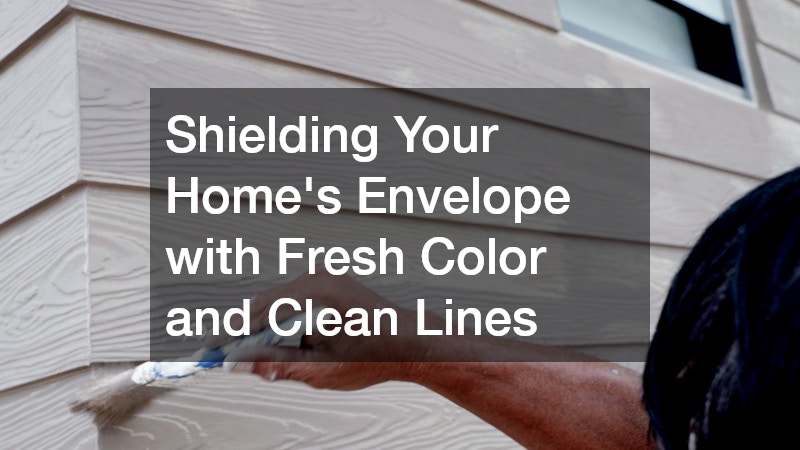
The exterior walls and roof form the protective shell of your home. They shield you from the elements while acting as the primary visual block seen from the street. Keeping these surfaces clean, colorful, and structurally sound is the ultimate way to show pride of ownership.
- Refresh Your Siding Paint: A fresh coat of paint is arguably the most transformative upgrade you can make. The trend is moving away from stark, sterile whites and cold blues toward warmer, organic tones like sand, beige, and warm taupe. These colors harmonize beautifully with surrounding trees and natural stone.
- Clean and Maintain the Roof: A dirty roof with dark streaks of gloeocapsa magma (a common algae) makes a home look decades older than it is. Treat your roof with a soft-wash chemical treatment to kill algae, moss, and lichen without damaging the shingles.
- Keep Gutters Spotless: Sagging, leaf-filled gutters look messy and cause water to overflow, damaging your siding and foundation. Install gutter guards to keep debris out and ensure your downspouts direct water at least six feet away from your home.
- Wash the Exterior Windows: Sparkling, debris-free window panes reflect light beautifully and make the entire home look loved. Use a streak-free exterior window cleaner and wash away spiders, dust, and webs from the surrounding screens and window sills.
- Upgrade Utility Covers and Accents: Swap out rusted, sun-faded plastic utility boxes, dryer vents, and hose bibs for fresh models that match your siding color. Masking these purely utilitarian features prevents them from breaking the visual harmony of your home’s envelope.
To execute these major structural preservation tasks correctly, rely on specialized professionals. Attempting to paint a multi-story home yourself can lead to uneven coats and dangerous ladder accidents. Investing in professional painting services guarantees that the surface preparation, priming, and topcoats are applied flawlessly, protecting your siding from moisture and UV rays for years to come. Similarly, your roof is your home’s first line of defense. Having a reputable roofing company perform a thorough inspection, replace damaged shingles, and seal flashing prevents costly water damage and keeps your roofline looking crisp and structurally sound.
Elevating your home’s curb appeal is a continuous, rewarding investment that pays dividends in both daily enjoyment and long-term financial equity. By combining thoughtful design choices—like warm paint palettes, organic landscaping, and intentional lighting—with rigorous structural upkeep, you protect your most valuable asset from the wear and tear of time and weather. Remember that you do not have to tackle every upgrade in a single weekend. Begin by focusing on the most pressing maintenance issues first, and then gradually layer in the aesthetic enhancements. Step by step, you will transform your property into a welcoming, pristine haven that stands out beautifully in your neighborhood.