Key Takeaways
- Inspect the entire property before listing to identify maintenance concerns, visible defects, and potential repair needs.
- Prioritize essential repairs involving safety, structural integrity, water intrusion, and major home systems before cosmetic upgrades.
- Investigate warning signs such as persistent moisture, pest activity, foundation changes, roof damage, and recurring mechanical problems.
- Improve curb appeal through basic cleaning, landscaping, exterior repairs, and a well-maintained entrance.
- Refresh kitchens and bathrooms by repairing leaks, cleaning surfaces, fixing damaged fixtures, and improving functionality.
- Create a realistic preparation budget, compare contractor estimates, and focus on improvements that offer practical benefits.
- Organize inspection reports, warranties, repair receipts, and property disclosures to answer buyer questions and support a smoother sale.
Preparing a home for sale involves more than cleaning rooms and taking attractive photographs. Buyers often evaluate the property’s condition, maintenance history, functionality, and potential repair costs before deciding whether to make an offer. Small issues that seem insignificant to the current owner may raise questions during a viewing or professional inspection. Addressing these concerns before listing can help homeowners present their property more confidently and reduce unexpected complications during negotiations. A thoughtful preparation plan also helps sellers prioritize essential repairs, control expenses, and avoid rushing through improvements at the last minute. With the right approach, homeowners can make their property more appealing while focusing on the work that matters most.
Why Should You Inspect Your Home Before Listing It?
A pre-listing inspection gives homeowners an opportunity to understand their property’s condition before prospective buyers begin evaluating it. Over time, minor maintenance concerns can become easy to overlook, especially when residents are familiar with the home and its everyday quirks. A dripping faucet, damaged exterior trim, inconsistent heating, or a persistent musty smell may seem manageable to the owner but could create uncertainty for a buyer. Reviewing the property systematically helps sellers identify visible concerns, decide which repairs deserve immediate attention, and prepare for questions that may arise during negotiations. The goal is not to make every component look brand-new, but to present a home that appears cared for and has fewer avoidable surprises.
Start with a walkthrough of the entire property, including the attic, basement, garage, yard, and less frequently used rooms. Take notes rather than trying to remember every issue.
Pay attention to these areas:
- Roof and gutters: Look for visible damage, loose components, overflowing gutters, or signs of water intrusion.
- Plumbing: Check for dripping faucets, slow drains, water stains, and leaks beneath sinks.
- Electrical fixtures: Identify broken switches, loose outlet covers, and lights that do not work.
- Walls and ceilings: Look for cracks, peeling paint, discoloration, and unexplained stains.
- Doors and windows: Check that they open, close, and lock properly.
- Heating and cooling: Test normal operation and review available service records.
If you discover significant cracks, repeated leaks, electrical concerns, or other potentially serious defects, consider getting a qualified professional to evaluate them before deciding how to proceed.
Which Repairs Should You Prioritize Before Selling?
Not every repair deserves the same amount of time or money. Sellers usually benefit from addressing issues that affect safety, structural integrity, water management, or the normal operation of essential systems before spending heavily on decorative improvements. A damaged roof, persistent plumbing leak, or faulty electrical component can create more concern than an outdated cabinet finish. Prioritizing repairs also helps prevent a limited budget from being consumed by cosmetic changes while important maintenance remains unfinished. Before hiring contractors or purchasing materials, consider the severity of each issue, the likely cost of delaying it, and whether the repair could affect a buyer’s inspection or financing.
A useful way to organize your work is to divide repairs into three groups:
- Essential repairs: Address active leaks, safety hazards, significant deterioration, and problems affecting major home systems.
- High-impact improvements: Refresh worn paint, repair damaged flooring, improve lighting, and correct visible defects that make rooms appear neglected.
- Optional upgrades: Consider decorative fixtures, premium finishes, or larger renovations only when the likely benefit justifies the expense.
For example, replacing a broken bathroom exhaust fan may be more important than installing an expensive decorative mirror. Likewise, repairing damaged exterior trim may deserve priority over adding elaborate landscaping.
Avoid assuming that every improvement will increase the selling price by more than it costs. Research local market expectations, compare contractor estimates, and discuss likely buyer concerns with a knowledgeable real estate professional. A practical repair plan focuses on condition, functionality, and presentation rather than trying to transform the property completely.
How Can You Identify Hidden Problems That Could Affect a Sale?
Some property defects are easy to see, while others develop gradually behind walls, beneath flooring, around foundations, or within mechanical systems. Sellers may not recognize these concerns until discoloration, odors, unusual sounds, or performance changes become noticeable. A careful review of the home’s history can help identify areas that deserve further investigation. Previous repairs, recurring leaks, pest treatments, drainage concerns, and unusual utility expenses may provide useful clues. Discovering hidden home problems before listing gives the owner more time to understand its cause, obtain estimates, and decide how to address it instead of reacting under pressure after a buyer’s inspection.
Watch for warning signs such as:
- Persistent moisture: Musty odors, recurring condensation, water stains, or damp materials may indicate a ventilation or moisture problem.
- Pest activity: Droppings, damaged wood, discarded wings, or recurring insect sightings may warrant a professional assessment.
- Unusual foundation changes: New or widening cracks, sticking doors, or visibly uneven floors may require further evaluation.
- Roofing concerns: Ceiling stains, damaged shingles visible from the ground, or repeated attic moisture should not be ignored.
- Mechanical issues: Unusual equipment noises, inconsistent temperatures, or repeated system failures may indicate that maintenance or repairs are needed.
- Drainage problems: Water pooling near the house or recurring basement dampness may suggest that exterior grading or drainage needs attention.
Do not cover stains with fresh paint or conceal damaged materials without investigating the underlying cause. Cosmetic treatment alone may leave the original issue unresolved.
Depending on the concern, a licensed inspector, plumber, electrician, pest professional, roofer, or structural specialist may be appropriate. Keep reports and receipts for completed work. Sellers should also understand applicable disclosure requirements and avoid making unsupported claims about the property’s condition.
What Should You Fix to Improve Curb Appeal?

The exterior creates the first impression for prospective buyers, often before they enter the house. Overgrown landscaping, dirty siding, peeling paint, damaged steps, and cluttered entrances can make a property appear poorly maintained even when the interior is in good condition. Improving curb appeal does not necessarily require expensive landscaping or a complete exterior renovation. Basic cleaning, selective repairs, and a tidy entrance can make the property look more welcoming. Sellers should focus on visible areas that buyers are likely to notice from the street, driveway, and front walkway, while ensuring that exterior maintenance problems are addressed rather than simply hidden.
Consider these practical improvements:
- Clean the entrance: Remove dirt and cobwebs, wash suitable surfaces, and organize the porch.
- Refresh the front door: Repair damaged areas or apply an appropriate exterior finish if needed.
- Maintain landscaping: Trim overgrown plants, remove weeds, and mow the lawn where applicable.
- Repair visible damage: Address loose siding, deteriorating trim, damaged steps, and broken fence sections.
- Check exterior lighting: Replace failed bulbs and ensure entrances and walkways are adequately illuminated.
- Clear gutters and pathways: Remove debris and make access routes safe and easy to navigate.
Inspect the roof and upper exterior from a safe location rather than climbing onto them without appropriate equipment. If you identify damaged roofing, loose electrical fixtures, or substantial exterior deterioration, obtain professional assistance.
The aim is to make the property look cared for and accessible, not to spend heavily on features that may not appeal to every buyer.
How Should You Prepare the Kitchen and Bathrooms?
Kitchens and bathrooms receive considerable attention during home viewings because buyers use these spaces frequently and may anticipate significant costs if repairs are necessary. An outdated finish does not automatically mean that a full renovation is required. Clean surfaces, working fixtures, functional storage, and the absence of visible leaks can make these rooms more appealing without a large investment. Sellers should first address problems that affect hygiene, usability, and maintenance. Once those issues are resolved, modest cosmetic changes may help the rooms feel brighter and more organized.
In the kitchen, focus on practical details:
- Repair dripping faucets and inspect visible plumbing beneath the sink.
- Clean cabinet fronts, countertops, backsplashes, and appliances.
- Replace broken handles or adjust cabinet doors that do not close properly.
- Check that drawers, exhaust fans, and installed appliances function as expected.
- Remove unnecessary countertop items to make preparation areas appear spacious.
In bathrooms, inspect the condition of faucets, toilets, showers, tubs, and ventilation fans. Replace damaged caulking where appropriate, repair persistent leaks, and clean grout and tile surfaces. If water damage or recurring mold-like growth is present, investigate the moisture source instead of simply covering the affected area.
Consider replacing heavily worn accessories or outdated light fixtures only when the improvement is affordable and compatible with the room. Avoid expensive upgrades solely to follow design trends. A clean, functional kitchen or bathroom may be more useful to a seller than a costly renovation that cannot be recovered in the final sale price.
What Should You Check in the Roof, Plumbing, and HVAC Systems?
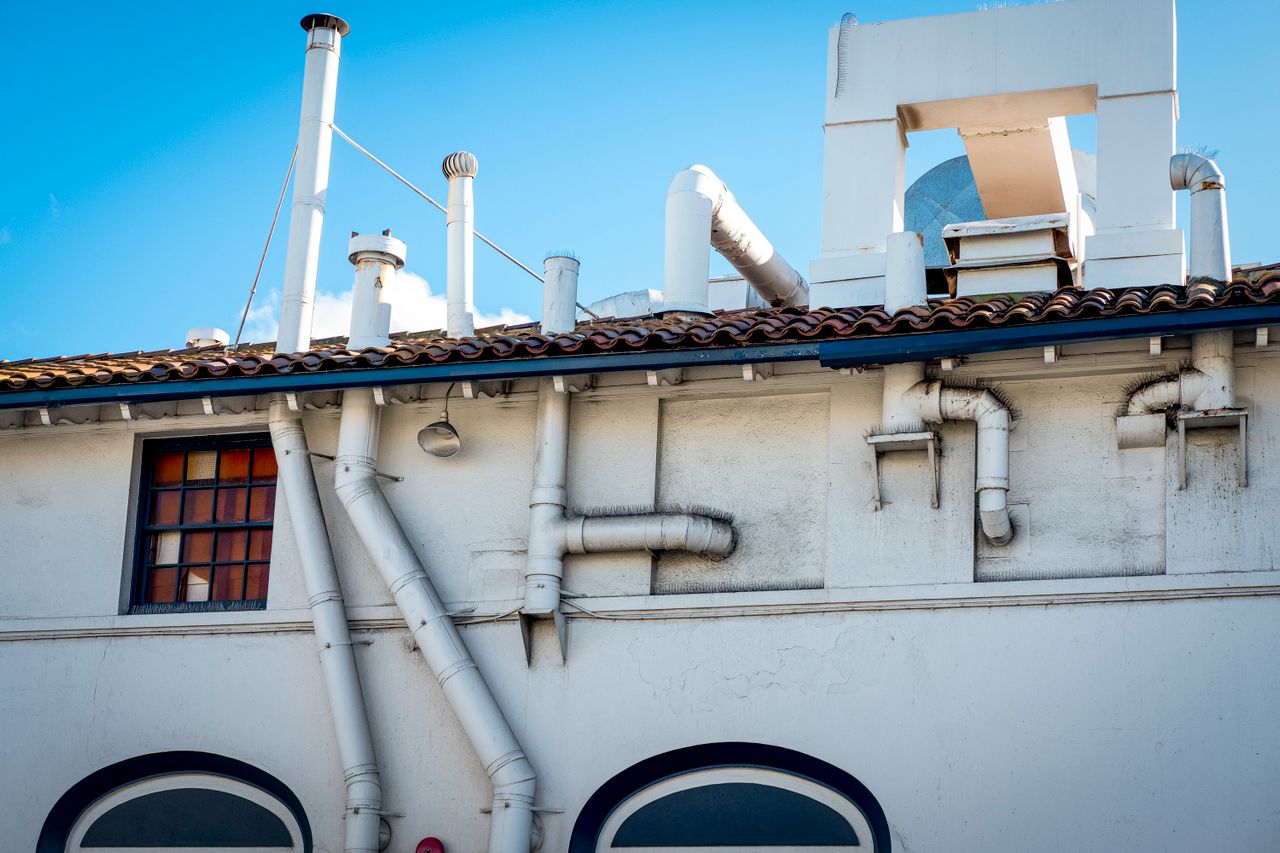
Major home systems can influence buyer confidence because repairs or replacements may involve substantial expenses. Sellers do not necessarily need to replace aging equipment simply because it is not new. Instead, they should understand its condition, confirm whether it operates properly, and identify any existing maintenance concerns. Reviewing service records and arranging targeted professional evaluations can help establish a clearer picture before the property is listed. This preparation may also make it easier to answer questions about equipment age, previous repairs, and routine maintenance during the selling process.
Use the following checklist:
- Roof: Review available installation and repair records, check for known leaks, and arrange a professional assessment if damage or deterioration is suspected.
- Plumbing: Test faucets and toilets, inspect accessible pipes for leaks, and investigate slow drains or recurring backups.
- Heating and cooling: Test normal operation, replace dirty filters where appropriate, and arrange servicing if the equipment performs poorly.
- Water heater: Look for visible leaks, corrosion, unusual noises, or inconsistent hot-water performance.
- Electrical systems: Confirm that accessible switches, outlets, and fixtures work correctly, and obtain qualified help for suspected electrical faults.
- Ventilation: Check that bathroom and kitchen exhaust fans function and that accessible vents are not obstructed.
Keep invoices, warranties, maintenance reports, and relevant installation information together. Documentation can help clarify what work has been completed and which items may still need attention.
If a system is old but functioning properly, compare the cost of replacement with the likely benefit before making a decision. Local market expectations, the severity of any defects, and professional advice should guide the choice.
How Can You Make Your Home Look Better Without Overspending?
Preparing a property for sale can become expensive when sellers attempt to renovate every room or replace items that remain serviceable. A more effective strategy is to identify inexpensive improvements that address visible wear and make the home easier for buyers to evaluate. Cleaning, decluttering, minor repairs, and thoughtful furniture placement can often improve presentation without major construction. Before purchasing materials, create a budget that distinguishes necessary repairs from optional enhancements. This approach helps sellers maintain control over spending while directing resources toward improvements that have a clear purpose.
Consider these budget-conscious actions:
- Repaint selectively: Touch up visibly damaged areas or repaint heavily worn rooms in neutral, coordinated colors.
- Improve lighting: Clean existing fixtures, replace failed bulbs, and use consistent lighting where appropriate.
- Repair small defects: Fix loose handles, sticking doors, damaged trim, and minor flooring issues.
- Declutter storage areas: Organize closets, cabinets, the garage, and utility spaces so buyers can assess their functionality.
- Reuse existing furnishings: Rearrange suitable furniture rather than purchasing an entirely new set.
- Clean thoroughly: Pay attention to windows, floors, appliances, baseboards, and other surfaces that are easy to overlook.
Obtain estimates before committing to larger projects, and include a reserve for unexpected expenses. A low-cost repair is not always the best choice if it will fail quickly or leave an underlying problem unresolved.
When deciding whether to undertake a renovation, consider the property’s price range and the condition of comparable homes in the local market. The goal is to present a well-maintained property without spending more than the circumstances justify.
What Documents Should You Gather Before Listing?
Preparing the paperwork before a home goes on the market can make the selling process more organized and reduce delays when buyers ask questions. Important documents may be scattered across email accounts, filing cabinets, contractor invoices, and previous inspection reports. Collecting them in advance allows sellers to verify details, understand the property’s maintenance history, and respond more efficiently to requests. The exact documents required depend on the location, property type, transaction, and applicable regulations. Sellers should confirm local requirements with their real estate agent, attorney, or other qualified professional rather than relying on a generic checklist alone.
Start by organizing the following records, where applicable:
- Repair and maintenance receipts: Keep invoices for roofing, plumbing, electrical work, heating and cooling service, and other significant repairs.
- Warranties: Gather documents covering installed equipment, appliances, and completed work that may still be under warranty.
- Inspection reports: Collect relevant previous inspections, specialist assessments, and records of recommended repairs.
- Permits and approvals: Locate documentation for renovations or structural work when required.
- Utility information: Recent bills may help answer reasonable questions about typical energy or water use, although costs vary by occupancy and season.
- Property disclosures: Complete applicable disclosure forms accurately and follow local requirements concerning known defects.
- Product and system information: Manuals, installation dates, and service records can help explain how important equipment has been maintained.
Do not assume that a repair receipt automatically proves a problem has been permanently resolved. Keep supporting reports where available and describe completed work accurately.
Organized documentation helps buyers understand the home’s history and gives sellers a clearer record of the improvements they have made.
How Can You Prepare for Buyer Viewings and Inspections?
Once repairs and maintenance are complete, the next step is to make the property ready for photographs, viewings, and professional inspections. Buyers need to see the home’s condition clearly and move through its rooms without unnecessary obstacles. A clean, accessible property makes it easier to evaluate storage, room sizes, fixtures, and the general layout. Sellers should also make essential systems and relevant records accessible where practical. Good preparation does not mean concealing imperfections; it means presenting the property honestly and making the viewing process straightforward.
Before each viewing, use this short checklist:
- Remove clutter from entrances, countertops, and frequently used rooms.
- Clean bathrooms, kitchen surfaces, mirrors, and floors.
- Secure pets and arrange a plan for their care during appointments.
- Store valuables and personal documents safely.
- Ensure that lights work and pathways remain clear.
- Make garages, utility areas, and accessible storage spaces easy to inspect.
- Gather available maintenance records and information about completed repairs.
For a professional inspection, confirm access arrangements and identify any known issues that may need discussion. Do not block access to electrical panels, water shutoffs, heating equipment, or other essential components.
If buyers raise concerns, review the inspection findings carefully before agreeing to repairs, credits, or changes to the sale terms. Depending on the issue, obtain a specialist’s opinion or a written estimate to understand the likely cost. Clear communication and accurate documentation can help keep negotiations focused on the property’s actual condition.
Conclusion
Preparing a home for sale is easier when sellers follow a structured checklist instead of rushing to complete improvements at the last minute. Reviewing the property’s condition, prioritizing essential repairs, improving curb appeal, checking major systems, and organizing important documents can help reduce uncertainty throughout the selling process.
Not every outdated feature needs replacement, and not every cosmetic upgrade will produce a financial return. Homeowners should focus on safety, functionality, visible maintenance concerns, and improvements that suit the local market. A realistic budget and appropriate professional advice can help prevent unnecessary spending while ensuring significant problems receive proper attention.
By completing these steps before listing, sellers can present their property more confidently, respond more effectively to buyer questions, and approach negotiations with a clearer understanding of the home’s condition.