Maintaining a high market value for any residential asset requires a proactive approach toward physical upkeep. Every property undergoes natural wear over time, but strategic improvements can dramatically alter how potential buyers perceive a residence. When homeowners focus on targeted structural and aesthetic enhancements, they preserve existing equity while unlocking higher potential returns during sales or appraisals. Property values are heavily tied to functional safety, energy efficiency, and visual appeal, making routine maintenance and timely upgrades indispensable tools for long-term wealth accumulation.
Investing wisely in home upkeep means prioritizing repairs that deliver measurable financial returns. Minor cosmetic defects can trigger hesitation in potential buyers, while major functional oversights often lead to aggressive price reductions during negotiations. By addressing core operational systems and visible architectural elements, property owners establish a baseline of quality that commands top market prices. Understanding which specific areas of a residence yield the greatest return on investment allows owners to allocate resources efficiently, turning standard upkeep into a powerful asset management strategy.
Enhancing First Impressions and Entryway Mechanics
Curb appeal sets the tone for the entire evaluation process when prospective buyers approach a house. The main entrance serves as a focal point, signaling whether the structure has been well-cared for or neglected over time. Beyond mere paint colors, the structural integrity and operation of entry points determine security, insulation efficiency, and perceived quality. Replacing worn exterior access points prevents drafts, improves home security, and instantly modernizes the facade.
Selecting Weather-Resistant Entry Upgrades
Prioritizing structural stability at points of entry protects the building against harsh environmental factors. Precision during door installation ensures proper alignment, airtight sealing, and smooth operation, preventing energy loss through gaps in the frame. Selecting high-grade materials like reinforced steel or insulated fiberglass offers long-lasting resistance against moisture and security threats.
-
Choose insulated cores that boost thermal performance and reduce exterior noise penetration.
-
Inspect threshold seals periodically to eliminate drafts and guard against water intrusion during heavy storms.
-
Opt for heavy-duty hardware that combines modern aesthetic appeal with reliable multi-point locking mechanisms.
Upgrading Entry Hardware and Frames
Structural alignment around exterior openings must be verified to prevent binding, sagging, or improper latching over time. Engaging a licensed building contractor helps identify underlying frame damage, rot, or subfloor settling before installing new entry structures. Correcting structural defects around accessways maintains the architectural integrity of the front porch and foyer.
-
Examine framing studs and headers for signs of wood rot or insect activity before mounting new frames.
-
Ensure heavy-duty hinges are driven into solid framing timber rather than mere decorative casing.
-
Apply commercial-grade elastomeric sealant around exterior trim to create a durable, weather-tight barrier.
Upgrading Core Climate Control and Energy Efficiency
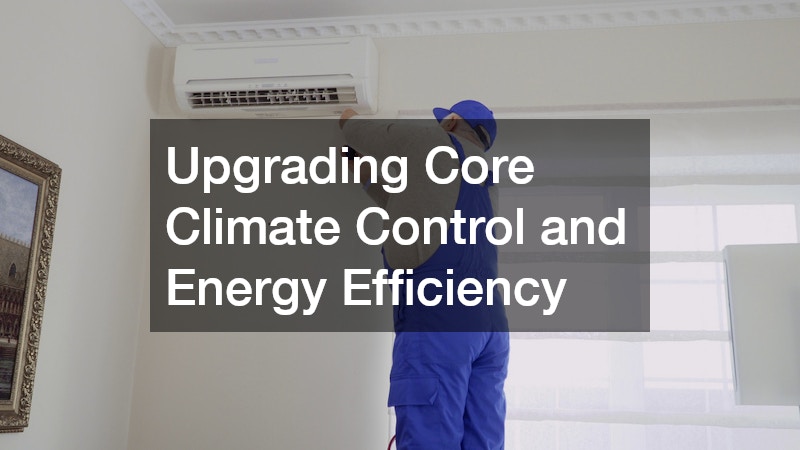
Modern homebuyers place an exceptional emphasis on environmental comfort and monthly utility costs. A home with an outdated or struggling climate system represents a major future expense in the mind of a buyer, which often leads to reduced offers. Modernizing heating, ventilation, and cooling units improves internal air filtration, lowers monthly utility bills, and provides consistent temperature regulation throughout every season.
Modernizing Home Heating and Cooling Systems
Updating central air units and heating plants increases overall energy performance and adds tangible value during property appraisals. Professional HVAC contractors assess house square footage, ductwork condition, and insulation levels to match the property with properly sized equipment. Installing high-efficiency furnaces and condensing units reduces seasonal energy demand while providing quiet, reliable indoor climate management.
-
Schedule routine multi-point inspections to keep heat exchangers and blower motors operating at peak performance.
-
Upgrade older manual thermostats to modern programmable or smart units for optimized daily temperature schedules.
-
Replace air filters consistently every sixty to ninety days to maintain clean indoor air and safeguard internal components.
Addressing Specific Room Temperature Controls
Certain areas of a home, such as converted basements, finished attics, or sunrooms, often suffer from inconsistent airflow from central systems. Adding ductless mini-split AC systems allows homeowners to create customized comfort zones without the expense of extending complex ductwork networks. These compact units deliver precise heating and cooling directly to isolated rooms while operating with high efficiency.
-
Position outdoor compressor units in shaded, well-ventilated areas away from direct ground debris and falling leaves.
-
Keep air distribution louvers clean to maintain smooth airflow and maximize fan efficiency in individual rooms.
-
Wash re-usable mesh filters regularly under warm water to maintain peak system airflow and energy conservation.
Modernizing Bathroom Fixtures and Aesthetics

Bathrooms are among the most influential spaces when prospective buyers form an opinion on a property. Dated tile, discolored grout, or sluggish drainage can instantly diminish a home’s appeal, whereas clean, modern bath spaces create an atmosphere of luxury and meticulous care. Addressing both the visual elements and the plumbing infrastructure behind the walls ensures that aesthetic improvements are backed by sound mechanics.
Refreshing Enclosures and Glass Features
Replacing worn curtain rods or frosted plastic panels with sleek, frameless glass enclosures transforms the visual space of a bathroom. Utilizing expert shower door services guarantees exact measurements, waterproof fitting, and seamless sliding or swinging mechanics. Clean glass lines reflect light, making smaller bathrooms feel significantly larger and more luxurious.
-
Select heavy tempered glass panels that offer superior durability, safety, and modern design appeal.
-
Treat glass surfaces with hydrophobic coatings to repel water spots, soap scum, and hard mineral deposits.
-
Verify that wall studs can support the weight of heavy glass hinges before mounting frameless hardware.
Ensuring Smooth Water Flow and Pipe Maintenance
Sluggish water removal from sinks, tubs, and showers indicates internal pipe buildup that can lead to unpleasant odors and backup risks. Utilizing professional drain cleaning services removes accumulated grease, hair, and mineral scale, restoring full pipe diameter and rapid flow. Keeping waste lines clear protects home foundation elements from hidden moisture leaks beneath floors.
-
Avoid harsh chemical cleaners that corrode copper or PVC piping, opting instead for mechanical augering or hydro-jetting.
-
Install removable mesh strainers over all basin outlets to catch debris before it enters the primary branch lines.
-
Flush main bathroom lines periodically with hot water to clear minor soap residue before heavy blockages form.
Replacing Outdated Fixtures and Valves
Plumbing fixtures suffer from mechanical wear, mineral crusting, and changing design trends over time. Experienced residential plumbers can replace outdated faucets, shower heads, and main shut-off valves with modern water-saving models that look great and conserve resources. Upgrading hardware prevents slow drips that waste water and stain porcelain surfaces.
-
Select pressure-balancing shower valves to prevent dangerous water temperature spikes during fixture use elsewhere.
-
Install dual-flush or high-efficiency toilets to reduce household water consumption without sacrificing flushing power.
-
Check under-sink supply lines for signs of corrosion or flexibility loss, replacing old lines with braided stainless steel.
Securing Home Infrastructure and Safety Systems
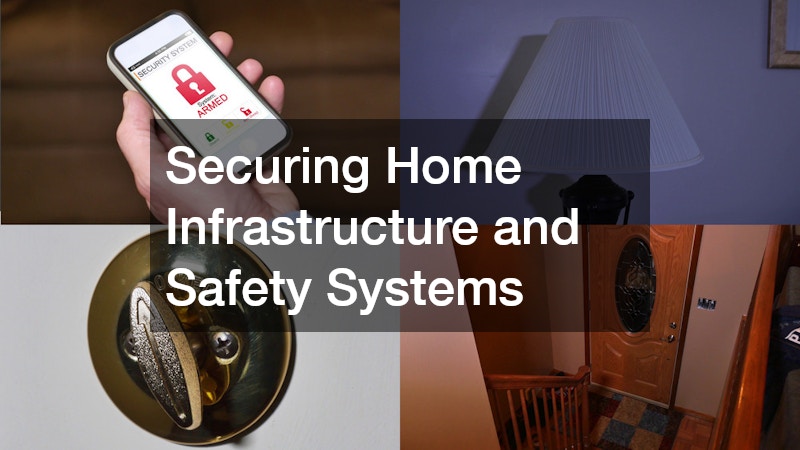
A property’s invisible infrastructure—its wiring and primary plumbing networks—defines its baseline safety and functional reliability. Buyers and home inspectors scrutinize electrical panels and main water supply lines closely. Deficiencies in these foundational systems can derail real estate transactions or lead to costly insurance demands. Proactively maintaining these core networks preserves structural integrity and ensures total operational compliance.
Upgrading Electrical Panel and Wiring Safety
Modern households consume far more electricity than earlier generations due to computers, high-draw appliances, and electric vehicles. Certified electricians update main service panels from outdated sixty or one-hundred-amp capacities to robust two-hundred-amp systems. Replacing old knob-and-tube or aluminum wiring eliminates serious fire hazards and guarantees that the property meets current municipal codes.
-
Install ground-fault circuit interrupters in kitchens, bathrooms, and outdoor spaces to prevent electrical shock.
-
Label every circuit breaker clearly in the main panel to simplify future maintenance and emergency shut-offs.
-
Add arc fault circuit interrupters in living areas and bedrooms to detect dangerous internal wiring arcs automatically.
Handling Sudden Water Leaks and Pipe Failures
Pipe ruptures, severe line blockages, or water heater failures require immediate action to prevent catastrophic structural destruction. Relying on emergency plumbing services guarantees fast mitigation during unexpected plumbing crises, minimizing subfloor warping and drywall contamination. Fast response times prevent water from seeping into wall cavities where mold can develop rapidly.
-
Know the exact location of the main water shut-off valve and test its operation annually for smooth closure.
-
Inspect washing machine supply hoses every six months, replacing rubber lines with braided metal alternatives.
-
Monitor monthly water utility statements for sudden, unexplained spikes that point to hidden underground leaks.
Recovering Value After Unforeseen Structural Issues
Unanticipated occurrences like storm damage, localized flooding, or kitchen fires can severely degrade property value overnight. Simply covering up damaged areas with surface cosmetic treatments hides serious underlying hazards that will inevitably reemerge during professional inspections. Restoring a property to its original condition requires thorough physical remediation and certified structural repair processes.
Mitigating Environmental Moisture and Fire Harm
Addressing environmental damage requires specialized industrial extraction, structural drying, and soot remediation techniques. Partnering with certified damage restoration services ensures that hidden moisture pockets behind walls and beneath subfloors are completely eliminated. Professional mitigation prevents persistent odors, structural timber rot, and hazardous mold growth from compromising the home’s resale value.
-
Deploy high-capacity dehumidifiers and air scrubbers immediately following any water intrusion event.
-
Strip wet drywall and insulation back at least twelve inches beyond the visible water line to stop hidden mold growth.
-
Seal fire-affected structural framing with specialized odor-encapsulating primers prior to installing new drywall panels.
Rebuilding Damaged Framing and Interior Enclosures
Once environmental remediation is complete, rebuilding framing members, subflooring, and wall surfaces restores structural integrity. Inspecting load-bearing joists and wall studs ensures that the home can safely support its intended loads. Quality reconstruction restores the visual appeal of living spaces while ensuring that future structural inspections reveal no lingering structural compromises.
-
Match existing architectural details, trim profiles, and drywall finishes seamlessly to maintain cohesive interior styling.
-
Treat newly exposed subflooring with antimicrobial sealers to prevent lingering odors from setting into raw wood.
-
Ensure all reconstructed framing meets or exceeds local building codes to preserve property insurability and market value.
Upgrading Exterior Lighting for Enhanced Security
Illuminating walkway paths, entry points, and dark yard corners significantly increases both property safety and curb appeal. Installing modern LED fixtures paired with motion sensors deters potential intruders while highlighting key architectural features during evening viewings. Brightly lit exteriors give prospective buyers immediate confidence in the security of the neighborhood and the home itself. Furthermore, low-voltage landscape lighting consumes minimal electricity, making it an eco-friendly upgrade that yields high visual impact. Simple updates to porch lights and driveway lanterns instantly elevate the overall aesthetic, proving to buyers that every detail of the property has been thoughtfully maintained.
Refinishing Hardwood Floors for Instant Charm
Hardwood flooring remains one of the most sought-after features for modern home buyers, yet high-traffic areas naturally show wear over time. Refinishing existing wood floors removes unsightly scratches, dullness, and discoloration, instantly restoring warmth and elegance to interior spaces. Freshly sanded and sealed timber reflects natural light, making living rooms and hallways appear brighter and more spacious. Choosing contemporary stain colors or classic clear coats allows the natural wood grain to shine without requiring full floor replacement. This high-yield cosmetic fix dramatically enhances room presentation, reassuring buyers about the lasting physical quality of the living environment.
Organizing Storage and Maximizing Closet Utility
Ample storage space ranks high on the wish list of almost every serious house hunter. Customizing closet layouts with built-in shelving, dual hanging rods, and modular drawers turns underutilized spaces into highly functional storage hubs. Well-organized closets suggest that a home offers abundant room for modern family living, preventing clutter from spilling into main living quarters. Cleaning out basements, attics, and garage shelving creates a sense of openness during walkthroughs. When prospective buyers see structured, efficient utility areas, they perceive the home as larger, better managed, and ready for immediate, stress-free occupancy.
Prioritizing Maintenance for Maximum Financial Return
Maximizing property value demands a steady balance between functional infrastructure upgrades and refined interior aesthetics. Every improvement made to a residence—from its electrical panel down to its entry doors—contributes to a stronger appraisal and faster market turnarounds. Homeowners who take a holistic, strategic approach to maintenance protect their physical investments from depreciation while building significant equity for the future.
Ultimately, keeping a home in peak condition relies on identifying issues early and addressing them through precise, professional execution. By maintaining core comfort systems, securing main utility lines, and refreshing visible living surfaces, property owners create a desirable living environment that stands out in any market condition. Investing in quality materials and proactive care ensures that your property remains a safe, beautiful, and highly valuable asset for years to come.